

Protecting Your Investment: The Critical Importance of Furnace Maintenance
Your home's furnace is a significant investment that keeps your family warm during winter Ontario. Yet many homeowners overlook the importance of regular maintenance until their heating system fails on the coldest day of the year. With the typical useful lifetime of heating equipment being approximately 15 to 20 years, how you maintain your furnace directly impacts whether you'll get the full lifespan from your system or find yourself facing premature replacement costs. Regular tune-ups aren't just about preventing emergency repairs—they're about protecting your investment, ensuring your comfort, and potentially saving thousands in unnecessary replacement costs.
Don't let your furnace leave you out in the cold! Ensure your heating system is in tip-top shape with regular maintenance from Parent Heating and Cooling. Give us a ring at 613-739-4515 or contact us today to schedule your tune-up and keep your home cozy all winter long.
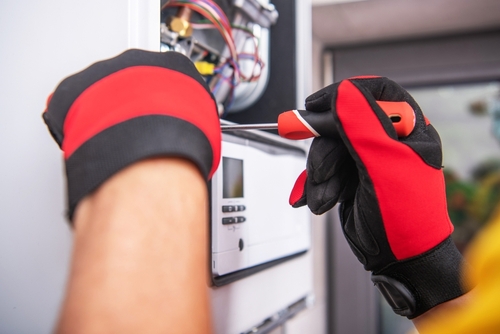
Understanding Your Furnace's Lifespan and Replacement Regulations
As a homeowner, it's important to understand your heating system's expected lifespan and the regulations that may affect future replacements. Heating equipment typically lasts between 15 to 20 years when properly maintained. This timeline gives you a framework for planning financially for eventual replacement. Many homeowners don't realize that existing fuel-burning equipment can continue to be used and serviced until the owner decides to replace it. However, current regulations stipulate that new equipment must meet zero-emission standards at the time of replacement. This means that when your furnace does reach the end of its useful life, you'll need to consider these standards in your replacement choices. Understanding these timelines and requirements helps you make informed decisions about repair versus replacement, especially as your system ages.
The Lifecycle of Your Furnace: What to Expect and When
Knowing what to expect throughout your furnace's lifecycle can help you make proactive maintenance and eventual replacement decisions. A well-maintained furnace follows a relatively predictable timeline, with specific maintenance needs at different stages. Understanding this timeline not only helps prevent unexpected breakdowns but also helps you budget appropriately for routine maintenance and eventual replacement costs.
Years 1-2: New furnaces require minimal maintenance beyond regular annual tune-ups, but establishing this maintenance routine early extends overall lifespan.
Years 3-10: The middle period of your furnace's life is when regular maintenance delivers the highest return on investment—studies show that properly maintained furnaces use up to 30% less fuel than neglected systems.
Years 10-15: As your furnace enters its second decade, components naturally begin to wear. Expect more frequent repairs, but continued maintenance can still considerably extend its lifespan.
Years 15-20: When your furnace approaches the upper end of its expected 15-20 year lifespan, you'll need to weigh repair costs against replacement. Remember that existing equipment can continue to be used and serviced until you decide to replace it.
Replacement Phase: When replacement becomes necessary, be aware that new equipment must meet current zero-emission standards—a significant consideration when budgeting for your next system.
Maximizing Your Furnace's Lifespan: How Parent Heating and Cooling Can Help
Maximizing your furnace's lifespan begins with a commitment to regular maintenance. At Parent Heating and Cooling, we've observed that furnaces receiving annual professional tune-ups consistently reach—and often exceed—their expected 15-20 year lifespan. Our comprehensive maintenance program addresses the critical components that most often lead to system failure, including heat exchangers, ignition systems, and airflow components. When repairs become necessary, our technicians are trained to provide honest assessments about whether repair or replacement represents the better value. We understand that existing fuel-burning equipment can continue to be used and serviced until you decide to replace it, so we focus on extending your current system's life whenever practical. If replacement becomes the most sensible option, we'll guide you through selecting a system that meets current zero-emission standards while addressing your home's heating needs.
The True Cost of Skipping Furnace Maintenance: Beyond Repair Bills
Many homeowners view furnace maintenance as an optional expense rather than an essential investment. This perspective often stems from focusing solely on the immediate cost of a tune-up rather than considering the long-term financial implications of neglect. The consequences of skipping regular maintenance extend far beyond the possibility of emergency repair bills. When we examine the complete picture, the true cost becomes much clearer. Neglected furnaces typically consume 10-15% more energy than well-maintained systems, silently inflating your monthly utility bills. This inefficiency translates to hundreds or even thousands of dollars in wasted energy costs over your furnace's lifetime. Additionally, manufacturers' warranties often require documentation of regular professional maintenance, meaning a neglected furnace could leave you personally responsible for costly repairs that would otherwise be covered.
Premature Replacement: The Costliest Consequence
Perhaps the most significant financial impact of neglected maintenance is the shortened lifespan of your heating system. While properly maintained furnaces regularly achieve their full 15-20 year expected lifespan, neglected systems often fail years earlier. This premature failure forces homeowners into unexpected replacements that could have been avoided. We've seen countless cases where neglected furnaces failed at just 8-10 years of age—effectively cutting their potential lifespan in half. When you consider that a new furnace installation represents thousands of dollars in expenses, the relatively modest cost of annual maintenance becomes one of the best investments you can make in your home.
Critical Components That Benefit From Regular Maintenance
Understanding the key components of your furnace that benefit from regular maintenance can help you appreciate why professional tune-ups are so valuable. Your furnace is a complex system with numerous parts working in concert to heat your home efficiently. When these components are regularly inspected, cleaned, and adjusted, they work more efficiently and last longer. Conversely, when these same components are neglected, they not only wear out faster but can create cascading failures that affect other parts of the system.
Heat Exchangers: The Heart of Your Furnace
The heat exchanger is perhaps the most critical component of your furnace, responsible for transferring heat from combustion gases to the air that circulates through your home. This component operates under extreme conditions, expanding and contracting with each heating cycle as temperatures rise and fall. Over time, this thermal stress can create cracks or failures in the heat exchanger. During a professional tune-up, technicians inspect this vital component for signs of wear, cracks, or corrosion. Identifying issues early can prevent complete failure, which is particularly important since heat exchanger problems can lead to dangerous carbon monoxide leaks. Regular maintenance helps ensure this component achieves its full lifespan, which generally aligns with the overall 15-20 year expectancy of the furnace itself.
Making Smart Decisions About Repairs vs. Replacement
As your furnace ages, you'll inevitably face decisions about whether to repair your existing system or invest in replacement. While the typical useful lifetime of heating equipment is approximately 15 to 20 years, this doesn't mean you should automatically replace a furnace that reaches this age. Similarly, you shouldn't necessarily continue repairing a younger system that's becoming problematic. Making the right decision requires considering multiple factors including the current condition of your furnace, the cost and frequency of repairs, and the efficiency gains possible with newer models.
The 50% Rule: A Practical Guideline
One useful guideline when deciding between repair and replacement is the "50% rule." This approach suggests that if a repair will cost more than 50% of the cost of a new system, replacement is likely the more economical choice—especially if the furnace is already in the latter half of its expected lifespan (beyond 10 years). For example, if replacing a heat exchanger would cost $2,000 on a 12-year-old furnace, and a new furnace costs $4,000, replacement would generally be the recommended option. Remember that existing fuel-burning equipment can continue to be used and serviced until you decide to replace it, so there's no regulatory pressure forcing an upgrade if your current system is functioning properly. However, when you do replace, new equipment must meet zero-emission standards, which may influence your decision timeline.
Frequently Asked Questions
1. How often should I schedule furnace tune-ups to maximize its lifespan?
For most residential furnaces, annual maintenance is the industry-recommended standard. This timing allows technicians to identify and address potential issues before the heating season begins. If your system is older (10+ years) or runs constantly due to extreme climate conditions, semi-annual tune-ups may be beneficial. With proper annual maintenance, your furnace can reach its full expected lifespan of 15-20 years.
2. What are the most common furnace repairs in Ontario, and how can I prevent them?
The most common furnace repairs in Ontario typically involve ignition systems, blower motors, and heat exchangers—components that face significant stress during our cold winters. Regular maintenance can prevent many of these issues by ensuring proper cleaning, lubrication, and adjustment of these critical parts. For example, cleaning flame sensors annually can prevent the common "furnace won't stay lit" problem that leads to emergency service calls during cold snaps.
3. At what point should I consider furnace replacement instead of continued repairs?
Consider replacement when: 1) Your furnace is over 15 years old and facing a major repair (such as a heat exchanger or control board), 2) You're experiencing frequent breakdowns resulting in multiple service calls per season, 3) Your energy bills are steadily increasing despite maintenance, or 4) The repair cost exceeds 50% of replacement cost. Remember that existing fuel-burning equipment can continue to be used until you decide to replace it, but new equipment must meet zero-emission standards.
4. What does a comprehensive furnace tune-up in Ottawa include?
A comprehensive furnace tune-up should include: inspection and cleaning of burners, flame sensor, and ignition system; testing of safety controls and limit switches; inspection of heat exchanger for cracks; lubrication of moving parts; checking for gas leaks; testing for proper combustion and carbon monoxide; calibration of thermostat; inspection of ductwork; replacement of air filters; and verification of proper airflow. This thorough process helps ensure your system operates safely and efficiently throughout Ottawa's heating season.
5. How do I know if my furnace needs emergency repairs versus routine maintenance?
Signs that indicate emergency repairs include: complete loss of heat, unusual noises (banging, grinding, or squealing), burning smells, a yellow pilot light instead of blue (indicating potential carbon monoxide issues), cycling on and off repeatedly, or carbon monoxide detector alerts. Routine maintenance should address reduced airflow, slightly higher energy bills, or uneven heating. It's better to have a professional assessment when in doubt, especially with older systems approaching their 15-20 year expected lifespan.
Work with an Air Conditioning Repairs specialist
When your heating system requires professional attention, working with qualified technicians makes all the difference in the outcome. Professional furnace specialists have the training and equipment to accurately diagnose issues, perform necessary repairs, and provide maintenance that extends your system's lifespan. They understand that existing fuel-burning equipment can continue to be used and serviced until you decide to replace it, helping you maximize your current investment. When replacement becomes necessary, they can guide you through selecting systems that meet current zero-emission standards while addressing your specific heating needs. Look for technicians who are licensed, insured, and experienced with your specific type of system. The right professional relationship can help ensure your heating system delivers reliable performance throughout its 15-20 year expected lifespan, saving you money and preventing comfort disruptions.
Keep your home warm and your wallet happy by ensuring your furnace is running smoothly with regular maintenance from Parent Heating and Cooling. Don't wait for a chilly surprise—reach out to us at 613-739-4515 or contact us today to schedule your tune-up and enjoy peace of mind all winter long.